

Glaucoma is difficult to manage when it arises as a complication of chronic uveitis, and medical therapy often fails to achieve adequate intraocular pressure control. Trabeculectomy has shown variable success in the treatment of uveitic glaucoma. The study by Hill and colleagues included patients with uveitic glaucoma and failed trabeculectomy filtering blebs who subsequently received Molteno drainage implants. The 2-year life-table success rate in these patients was 79%. Gil-Carrasco and colleagues reported successful glaucoma management following Ahmed glaucoma valve (AGV) implantation.
In this study, retrospectively, we examined the efficacy and safety of AGV implantation for managing uncontrolled glaucoma associated with chronic uveitis. The study included 21 eyes from 19 patients who met the inclusion criteria. All patients had their uveitis controlled pre-operatively via immunomodulatory therapy. Ahmed valve implantation was performed, and immunosuppressive chemotherapy was continued perioperatively. We evaluated changes in intraocular pressure as well as the number of anti-glaucoma medications required to achieve target intraocular pressure. Additionally, we assessed visual acuity and surgery-related complications.
The average of postoperative follow-up was 24.5 months. At the most recent visit all 21 eyes had intraocular pressures between 5 and 18 mm Hg. The average pressure reduction after AGV implantation was 23.7 mm Hg. The average number of anti-glaucoma medications required to achieve the desired intraocular pressure was reduced from 3.5 preoperatively to 0.6 postoperatively. No eye experienced a loss of visual acuity at the most recent postoperative visit. During follow-up, two eyes developed hypotony; one resolved without intervention, while the other required autologous blood injection and tube ligation to correct the hypotony. One eye underwent AGV replacement for valve failure. Two eyes underwent penetrating keratoplasty for reasons believed to be unrelated to the glaucoma surgery.
We conclude that AGV implantation is an effective and safe procedure for the management of uveitic glaucoma. We attribute the favorable outcomes largely to strict control of inflammation and aggressive perioperative immunosuppression.
For further insight into the management of glaucoma in uveitis, please refer to the references below.
References
 |
|
|
|

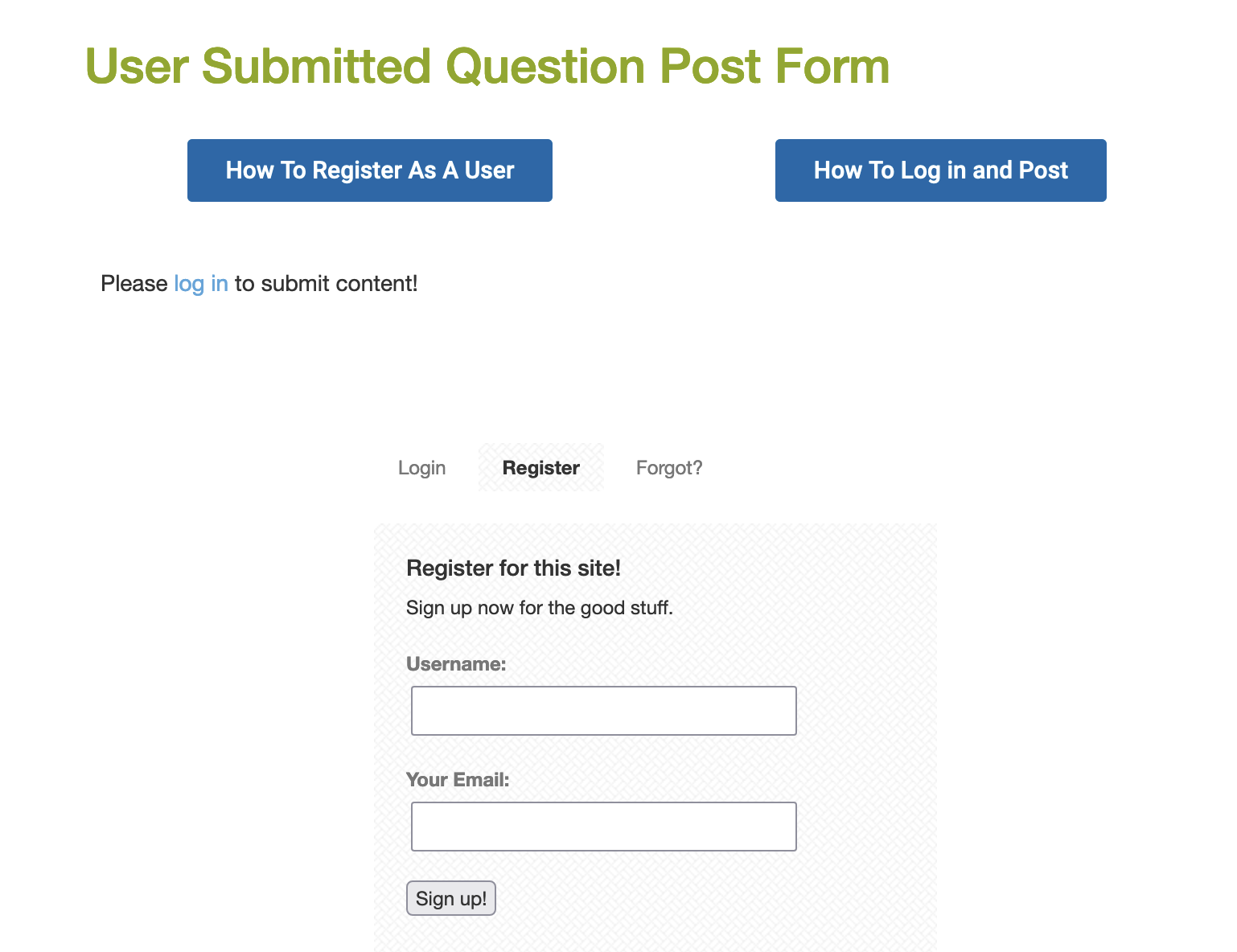
Click on the Register link
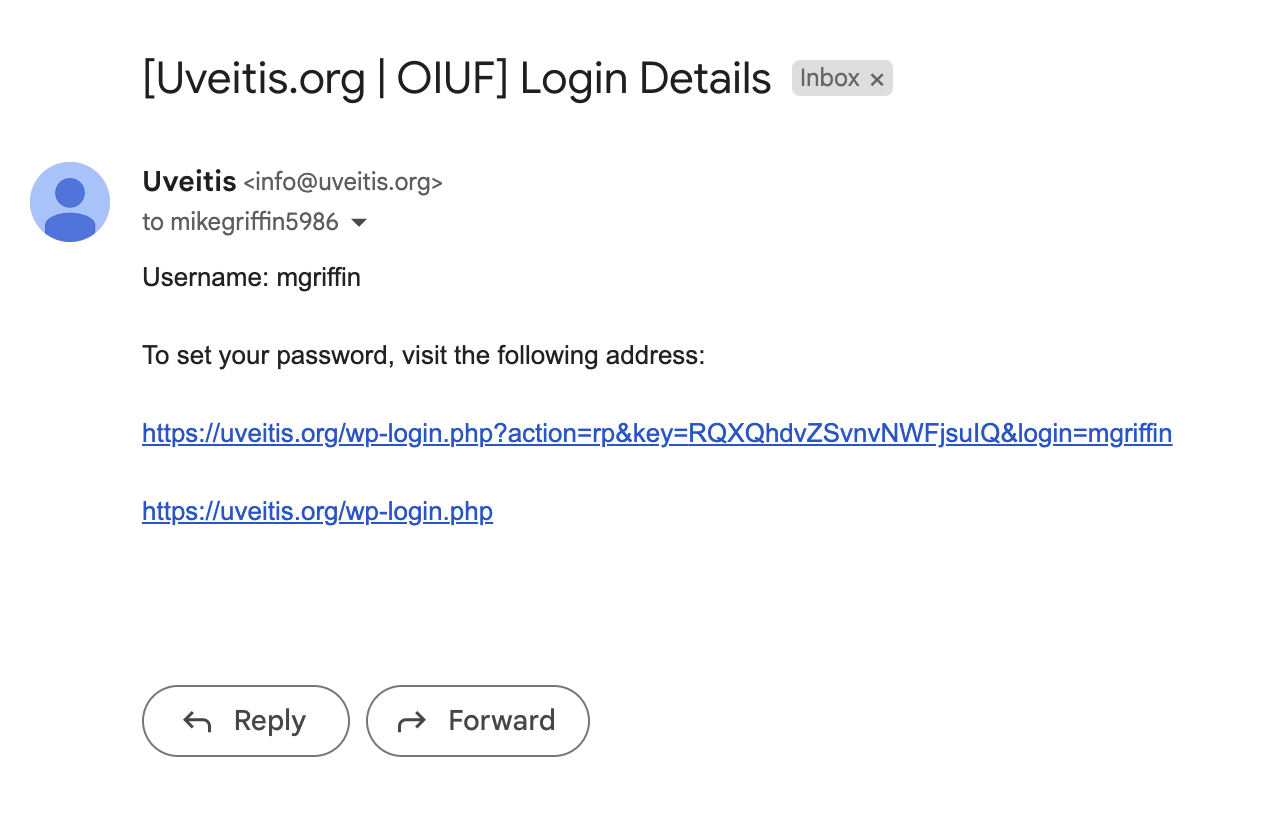
In the email you receive, click on the change password link.
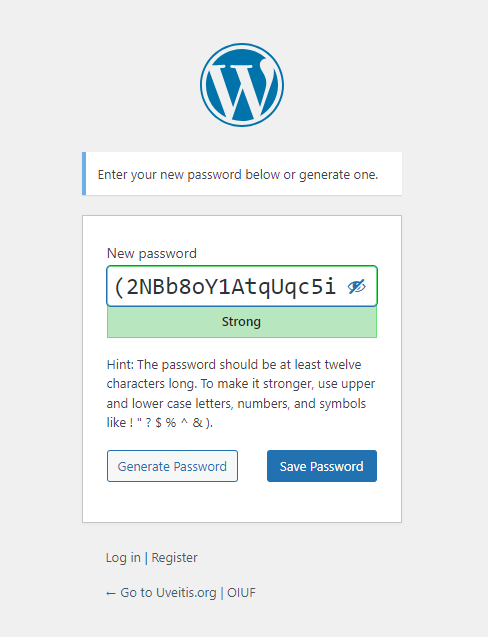
Change your password