

Uveitis is the third leading cause of blindness in the working-age population in developed countries, including the United States. In patients with uveitis, central vision loss typically results from gradual macular damage due to low-grade, chronic inflammation. Less frequently, acute or subacute vision loss may also occur as a complication of uveitis, such as in cases of choroidal neovascularization (CNV) or retinal vascular occlusion (RVO). For example, acute, severe events may occur, including explosive episodes of Behçet’s retinopathy or subretinal neovascularization associated with choroiditis. However, most cases of central vision loss are caused by chronic macular edema or epiretinal membrane (ERM) formation. Unfortunately, the structural and functional changes of macula secondary to these issues are irreversible. Unfortunately, structural and functional changes in the macula resulting from these processes are often irreversible if sustained over time.
Surprisingly, central vision loss due to CME and ERM can occur in many patients with mild anterior uveitis in the absence of direct macular involvement. This, together with the irreversibility of central vision loss later in the course of uveitis, underscores the need to prioritize prompt treatment of any active inflammation rather than waiting for a certain degree of visual decline before escalating therapy. Only this approach offers hope for further reducing blindness due to the long-term effects of chronic, low-grade inflammation.
It is concerning that some ophthalmologists in the United States still delay treatment in patients with active pars planitis until visual acuity declines to approximately 20/40 before initiating therapy. In our experience, many of these patients will never achieve 20/20 vision when treatment is delayed, simply due to permanent damage to the macular structure.
In conclusion, the presence of any intraocular inflammation—regardless of macular involvement—should serve as the primary indication for treatment with immunomodulatory therapy, using the stepladder approach. This approach has been outlined in other con2026
 |
|
|
|

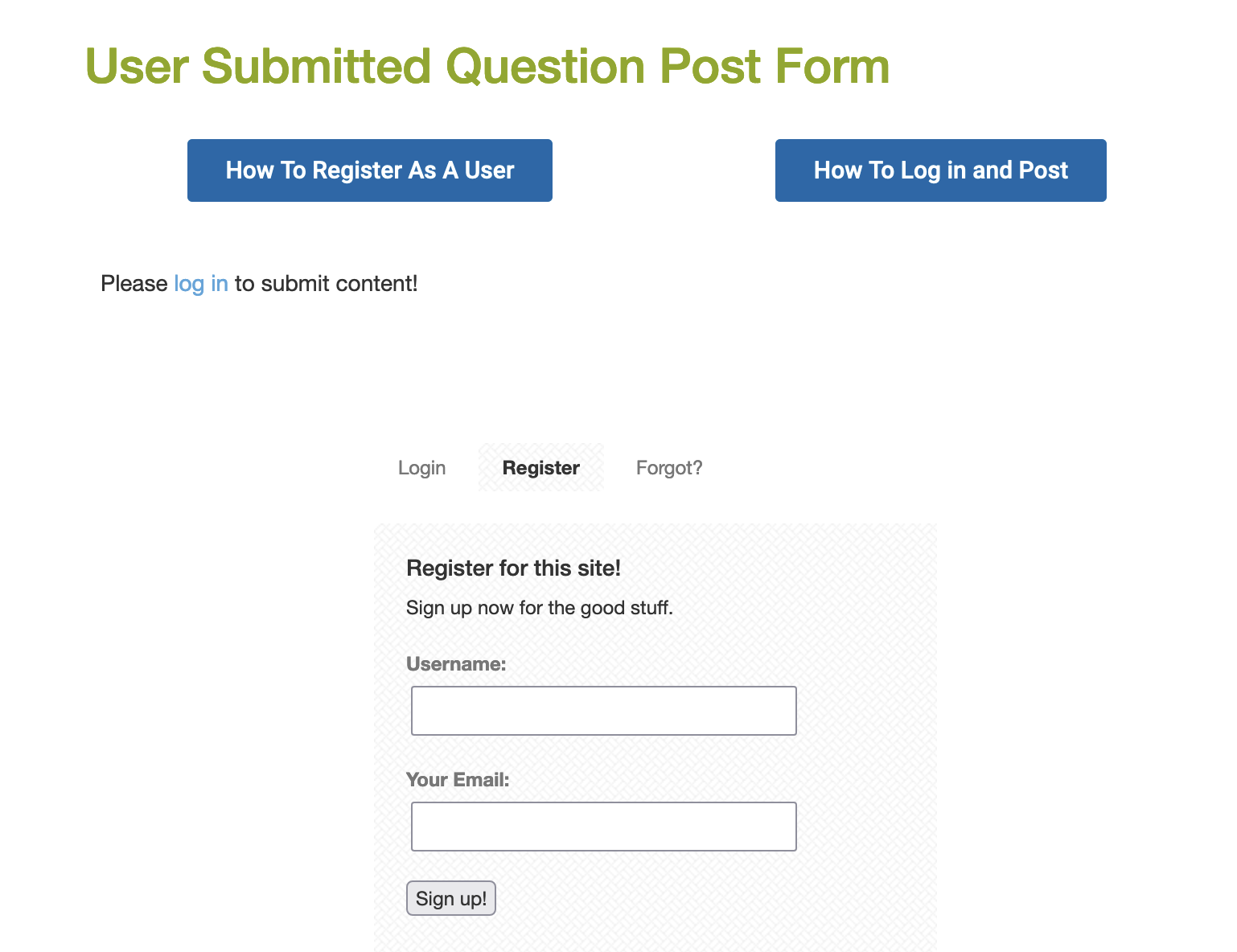
Click on the Register link
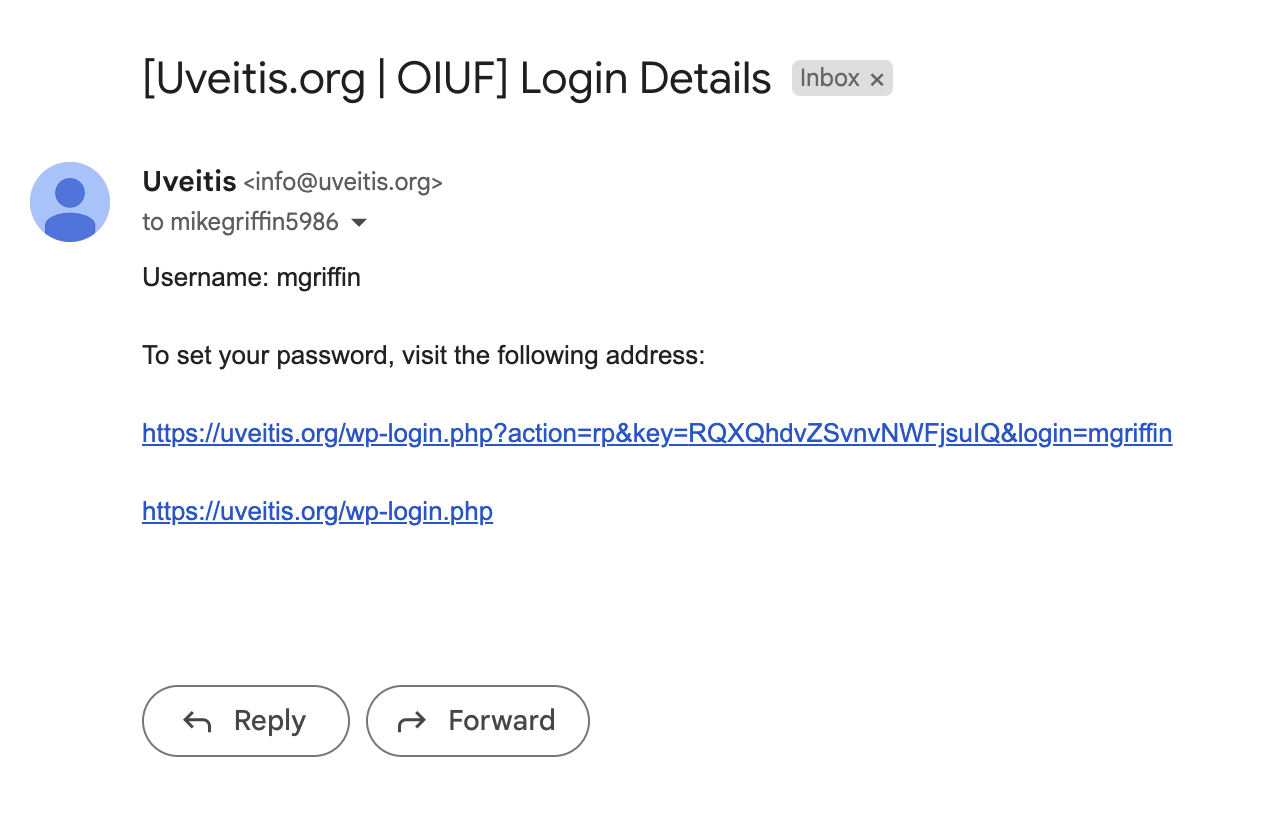
In the email you receive, click on the change password link.
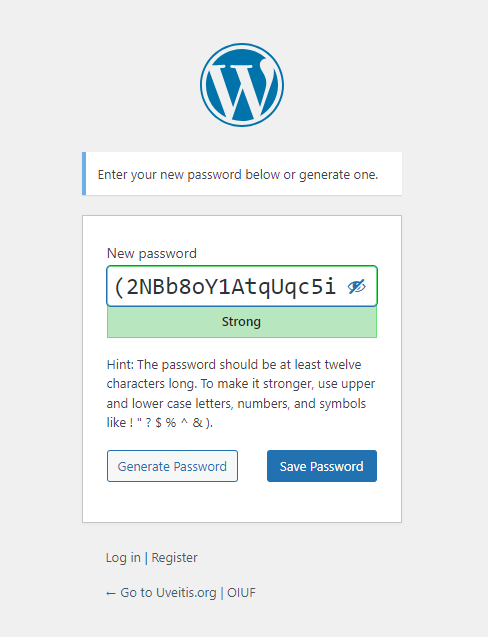
Change your password