

Use of Methotrexate in the Management of Sight-Threatening Uveitis Summary of Reference 1: published 2001
Bom et al published an article in Ocular Immunology and Inflammation entitled “Use of methotrexate in the management of sight-threatening uveitis” [1]. The authors investigated the use of methotrexate as an alternative medication to systemic corticosteroids in patients with uveitis. They acknowledged that long-term therapy with high dose corticosteroids is associated with major side effects. Hence, alternative medications need to be employed in patients with recurrent or chronic uveitis. The authors report on their experience with use of methotrexate in 11 patients with long-standing uveitis who were treated with systemic corticosteroids prior to initiation of methotrexate. Analysis of data showed that adding methotrexate to treatment allowed control of uveitis with a reduction of the corticosteroid dose in more than 50% of cases and decreased the number of disease relapses in 45%. The authors concluded that methotrexate is useful in treatment of uveitis.
Use of methotrexate in patients with uveitis
Summary of Reference 2: published 2010
Methotrexate has been frequently employed to treat ocular inflammatory diseases including uveitis, scleritis, and orbital inflammatory disease. It is effective for intraocular lymphoma when given directly into the eye. No study has assessed its efficacy for eye disease in a randomized, placebo-controlled design. This report reviewed the literature relevant to methotrexate’s utility in the treatment of ocular inflammatory disease.
Combination of Intravenous Methotrexate and Methylprednisolone Therapy in the Treatment of Severe Ocular Inflammatory Diseases
Summary of Reference 3 published 2021
Purpose: To evaluate the efficacy of intravenous methotrexate and methylprednisolone in severe, sight-threatening ocular inflammatory conditions. Methods: This was a retrospective observational case series. Patients who had received intravenous methotrexate for ocular inflammation with at least 24 months of follow-up were included in the study. Results: Ten patients (20 eyes) were included in this study. Mean age of the patients was 47.2 ± 17.7 (range:19-74). At 1-month follow-up visit, nine patients showed improvement and one patient failed treatment. At 12-month follow-up visit, all patients were in remission. Two patients were only on intravenous methotrexate infusions. At twenty-four-month follow-up visit, only one patient, in remission, was on intravenous methotrexate therapy. Leukopenia was the only adverse effect observed.
Conclusion: Intravenous methotrexate and methylprednisolone infusions can be an effective method of treatment in patients with severe, sight-threatening ocular inflammatory conditions.
References
 |
|
|
|

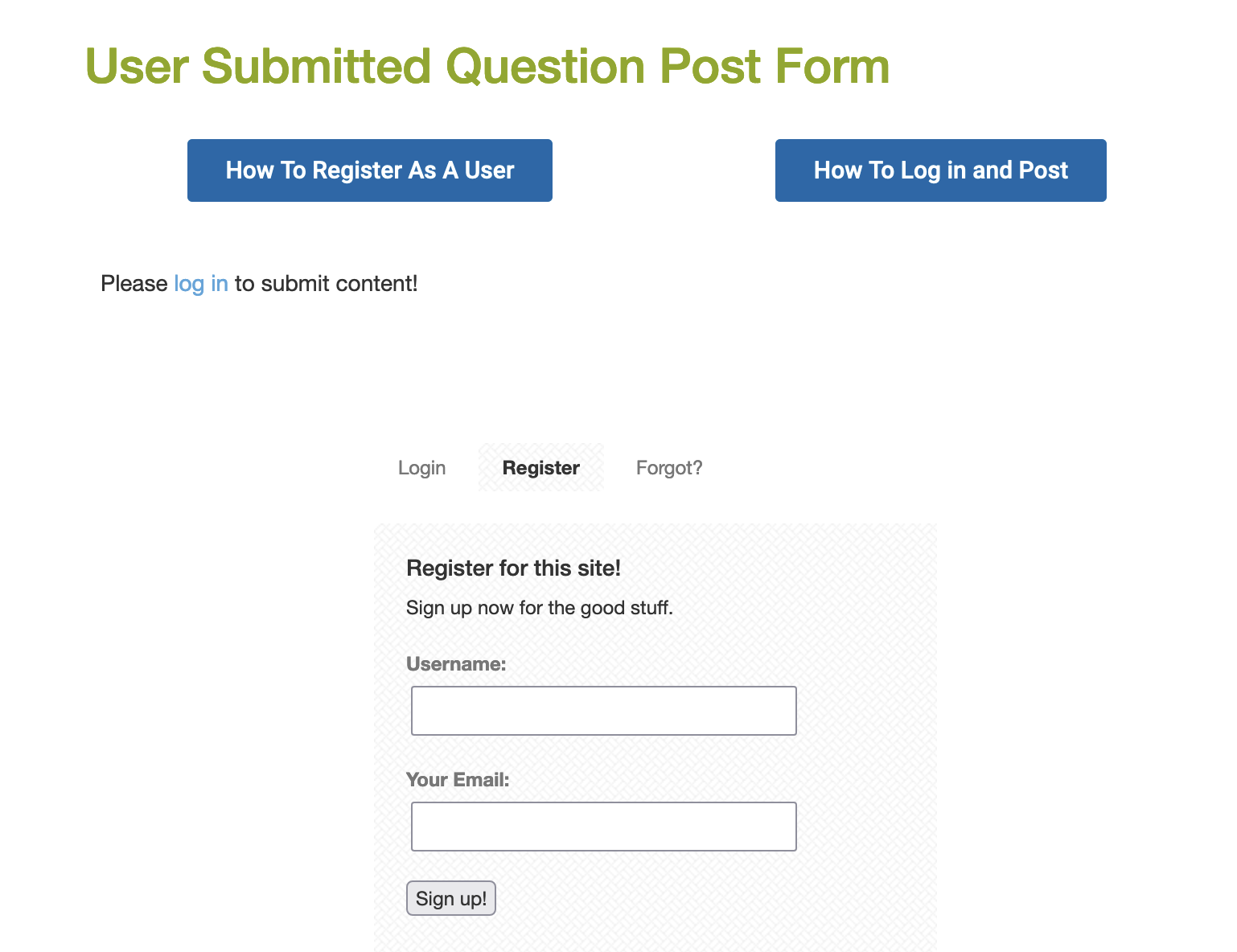
Click on the Register link
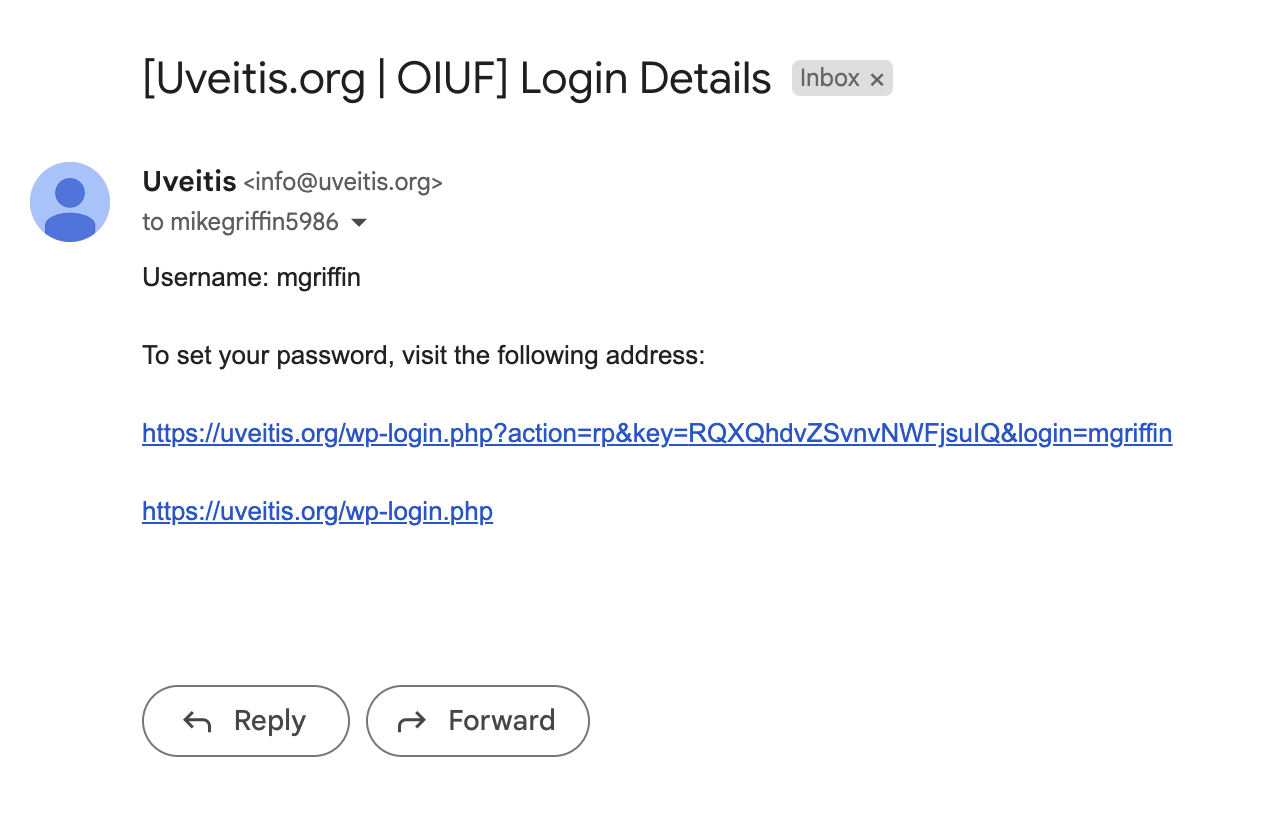
In the email you receive, click on the change password link.
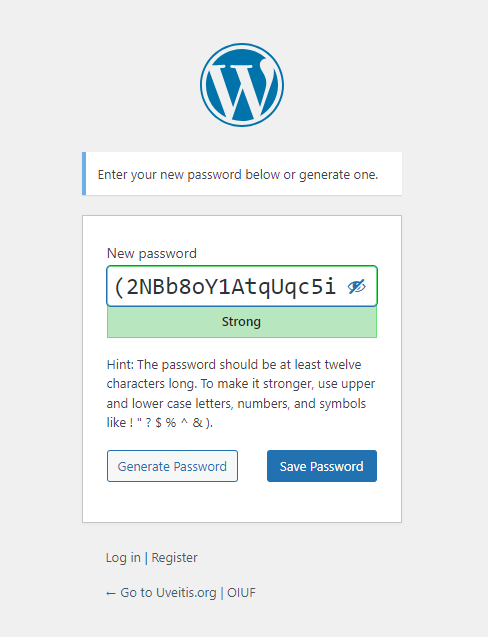
Change your password