

Pediatric uveitis accounts for 5–10% of all uveitis. But Uveitis in children blinds a larger percentage of those affected than in adults, since 40% of the cases occurring in children are posterior uveitis, compared to the 20% of posterior Uveitic cases in the adult Uveitis population. There are, at any one time, approximately 115,000 cases of Pediatric Uveitis in the United States, with 2,250 new cases occurring each year. Spread across the entire U.S. population, therefore, and across all offices of Ophthalmic practitioners, the likelihood that any one individual practitioner will care for a patient with Pediatric Uveitis is relatively small, and the likelihood that any single individual will have significant experience in caring for large numbers of cases over a long period of time is vanishingly small. This accounts, we believe, at least in part for the sub-optimal care that many of our children with Uveitis appear to be receiving, even in these “modern” times. The stakes are incredibly high, for the child, for the parents who will be faced with (usually) many years of dealing with this health problem in their child, and for society at large because of the life-time of dependence which occurs in those who eventually reap substantial visual handicap as the result of sub-optimal treatment.
We believe that current epidemiologic data emphasize two critically important goals for all of us in Ophthalmology, acting together, in an effort to change the current prevalence of blindness caused by Pediatric Uveitis:
1. Repeatedly emphasizing to parents, other medical colleagues, especially Pediatricians, and school personnel the critical importance of routine (annual) vision screening for all children.
2. The critical importance of beating back the frontiers of general ignorance and mind sets, eliminating the all-too-common pronouncement by physicians to parents of a child with Pediatric Uveitis that:
a. “He’ll (She’ll) out grow it.”
b. “The drops will get him (her) through it.”
c. “It’s just the eye; systemic therapy is not warranted.”
Statements (a) and (b) are true, but too often pull the doctor, and patient, and family into the seduction of nearly endless amounts of topical steroid therapy. It is generally true that the child will in fact “out grow” the Uveitis, i.e., that the Uveitis will no longer be a problem eventually. The pity is, however, that so often by the time the child “out grows it”, permanent structural damage to retina, optic nerve, or aqueous outflow pathways has already occurred, and the blinding consequences are now permanent. It is also true that for any individual episode of Uveitis, the steroid drops usually will get the patient through it. But the fact is that so many children with Pediatric Uveitis have recurrent episodes of Uveitis such that the cumulative damage caused by each episode of Uveitis and the steroid therapy for each episode eventually produces vision-robbing damage. And item (c) is simply the result of the common myopic viewpoint of Ophthalmologists: that it is just an eye problem, and therefore should simply be treated with eye medications. Nothing could be further from the truth! And unless and until large numbers of Ophthalmologists reframe this socially and epidemiologically important matter, the prevalence of blindness secondary to Pediatric Uveitis is not going to change.
Uveitis in children differs from adult uveitis in that it is commonly asymptomatic and can become chronic and cause damage to ocular structures. The diagnosis might be delayed for multiple reasons, including the preverbal age and difficulties in examining young children.
Pediatric uveitis may be infectious or noninfectious in etiology. The etiology of noninfectious uveitis is presumed to be autoimmune or autoinflammatory. The differential diagnosis of Pediatric Uveitis is relatively vast, and therefore the detective work required to properly pursue the underlying diagnosis is complex. The job can be slightly simplified by playing the odds, categorizing the case as carefully as possible into anterior non-granulomatous; anterior granulomatous; intermediate; posterior, with vasculitis; posterior, without vasculitis; and categorizing it into the general age groups of Infancy (0 to 2 years), Toddler-School Age (2 to 10 years), and Adolescence (10 to 16 years).
The most common etiologic groups in children segregated into these groups are:
In general, the most common causes of uveitis in this age group are idiopathic and juvenile idiopathic arthritis-associated uveitis.
We believe that a thorough effort should be made to identify the underlying cause of uveitis in every child. If the review of systems is negative and the patient presents with a single episode of nongranulomatous anterior uveitis, laboratory testing is generally not necessary. When the review of systems is positive, the evaluation should be guided accordingly.
In cases of recurrent nongranulomatous anterior uveitis, we recommend obtaining a complete blood count, urinalysis, antinuclear antibody (ANA), and HLA-B27 testing, along with targeted investigations based on the review of systems. For pediatric patients with granulomatous anterior uveitis—whether recurrent or not—the diagnostic workup should include a complete blood count, urinalysis, FTA-ABS, Lyme serology with Western blot confirmation, QuantiFERON-TB Gold or PPD testing, chest radiography, ANA, and serum angiotensin-converting enzyme (ACE) levels.
If sarcoidosis is strongly suspected, further evaluation with chest CT and gallium scanning may be warranted. As always, additional testing should be guided by findings from the review of systems.
All patients with intermediate uveitis should undergo laboratory evaluation, including a complete blood count, urinalysis, chest radiography, FTA-ABS, ACE, QuantiFERON-TB Gold or PPD, Lyme serology, and ANA titers. Patients with posterior uveitis require a more extensive evaluation.
If retinal vasculitis is present, a comprehensive vasculitis workup should be pursued. In addition, infectious causes—the “usual suspects”—should be carefully considered, including those associated with choroidal granulomas, such as toxocariasis and toxoplasmosis. Ancillary testing, such as audiometry or lumbar puncture, should be performed when indicated by the review of systems (e.g., tinnitus or meningeal signs and symptoms). Finally, diagnostic vitrectomy may be considered in patients with posterior uveitis when noninvasive studies are inconclusive and the disease remains difficult to manage.
The primary goal of treatment is to suppress active inflammation and decrease the risk of complications. If the cause of uveitis is an infection, appropriate therapy for that infection should be employed with or without anti-inflammatory therapy. Currently, despite recent and ongoing clinical trials, noninfectious uveitis treatment is based on expert opinion and algorithms proposed by multidisciplinary panels.
A multidisciplinary approach between pediatric rheumatologists and uveitis specialist is key for successful treatment. Although corticosteroids are still the first line of treatment of acute uveitis, the major long-term goal of therapy is corticosteroid- free remission with corticosteroid sparing immunomodulatory therapy. The stepladder approach is standard of care in the treatment of pediatric patients with uveitis (see treatment algorithms). This approach starts with the use of less potent medications and medications with better safety profiles and shifts to more potent medications with more potential side effects in patients with insufficient response. During corticosteroid free immunomodulatory therapy, high risk blood monitoring tests should be performed at regular intervals. These blood tests include complete blood count, liver function tests, BUN and creatinine. Patients on immunomodulatory therapy with conventional medications and biologic response modifying agents should avoid vaccination with live viruses. Almost all conventional immunomodulatory therapies are teratogenic and should be used with caution in women of childbearing age.
Uveitis morbidities in pediatric patients include cataract, glaucoma, and amblyopia. Pediatric patients with uveitis should be frequently examined until remission is achieved. Once in remission, the interval between follow-up visits can be extended; however, it is recommended that even after remission the child should be seen every 8–12 weeks depending on the history of uveitis and the medications used. Close follow up is also necessary as uveitis can flare up during immunomodulatory therapy. It is crucial to measure the impact of uveitis, its treatment, and its complications on the child and the child’s family. Visual acuity can be considered as an acceptable criterion for assessing visual function. Additionally, the number of cells in the anterior chamber can be a measure of disease activity.
References
Maleki A, Anesi SD, Look-Why S, Manhapra A, Foster CS. Pediatric uveitis: A comprehensive review. Surv Op
 |
|
|
|


Click on the Register link
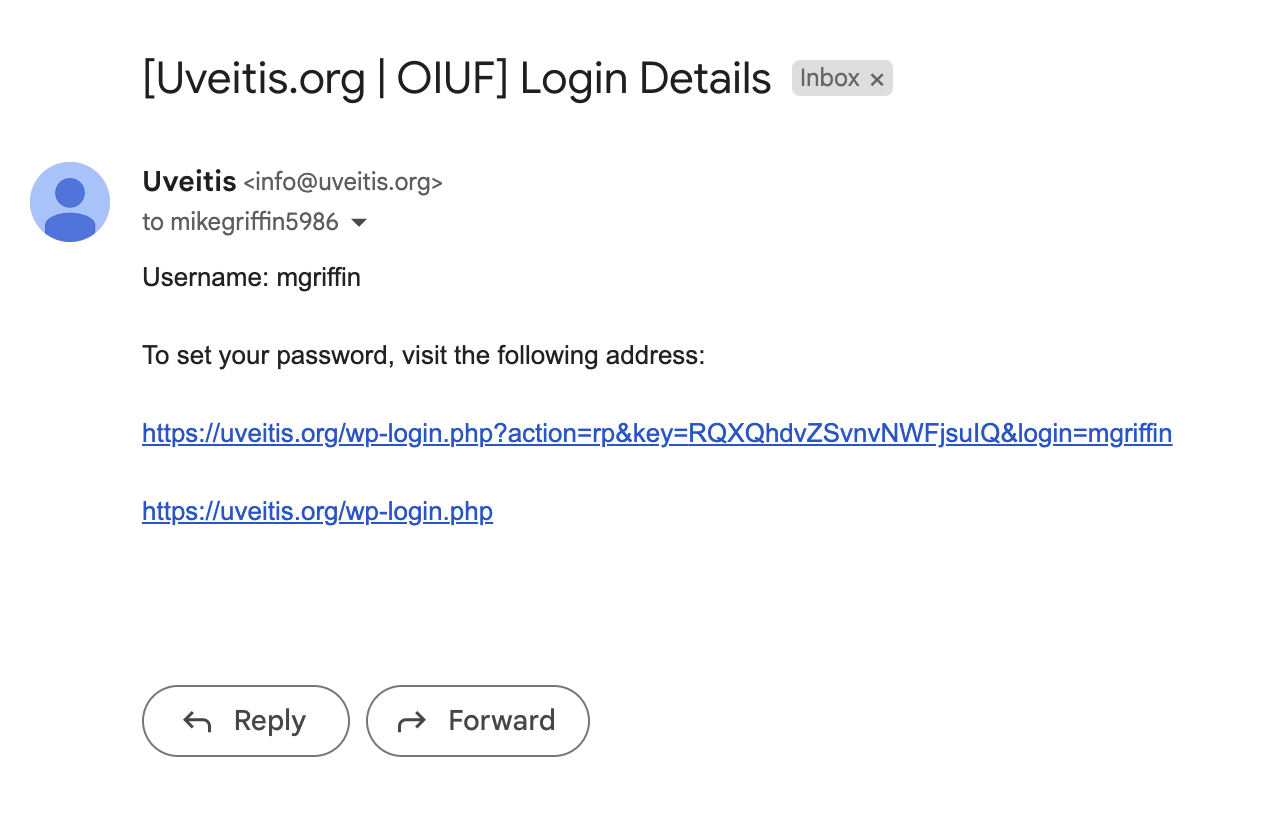
In the email you receive, click on the change password link.

Change your password