

Treatment Algorithm for Juvenile Idiopathic Arthritis-Associated Iridocyclitis
The first progress in the management of juvenile idiopathic arthritis (JIA) and its associated uveitis began in the mid-20th century with the development of corticosteroids for the treatment of both systemic and ocular involvement. Then, the second major advance came through the admonitions of Jacobs and Spalter of New York and of Kanski in London for the routine screening biomicroscopic examination of youngsters with the oligoarticular form of JIA, screening for occult active intraocular inflammation, since the eyes of such patients commonly appear normal to the casual observer, and since the patients are often young and do not notice or express to parents small changes which are slowly developing as a result of active inflammation.
The average prevalence of uveitis is estimated to be 13%; however, it ranges from 11.6% to 30% in different studies. It can occur in about 20–30% of children with oligoarticular JIA, especially ANA-positive young girls. Recent population-based studies report blindness rates of approximately 2–4% in children with JIA-associated uveitis at long-term follow-up. Blindness is a result of low grade chronic intraocular inflammation and its subsequent ophthalmic complications.
These patients need an interdisciplinary approach and longitudinal care of ophthalmologists, pediatric rheumatologists, psychologists, and nurses. Regarding the long-term ophthalmology and eye care, the sad fact is the “tolerance” of so many ophthalmologists for low grade inflammation. In their defense, they are simply trying to “do no harm,” and so are trying not to overuse corticosteroids in their goal to treat the uveitis, trying to avoid the development of corticosteroid induced side effects such as cataract and glaucoma. The vision-robbing consequences of the ophthalmologist-tolerated low-grade uveitis occur extremely slowly, typically over a period of four to eight years. The rsult is clear, and the literature is replete with testimony to the deleterious consequences of such “tolerance” of low-grade uveitis: maculopathy, with macular edema, macular cysts, epiretinal membrane, optic neuropathy, and cyclitic membranes.
The major deterrent hampering ophthalmologists from advancing to more aggressive therapy in the quest for total abolition of all active inflammation is the fear of producing drug-induced problems. This is understandable, particularly since ophthalmologists use immunomodulatory agents so infrequently, and have little reason to keep abreast of data regarding immunomodulatory agent-induced side effects when agents are used in the low-dose technique typically employed in the care of patients with non-lethal, non-malignant diseases, and when they are used as single agents, rather than multiple agents, as is often required in the management of patients with solid organ transplants. The truth is, used properly, non-steroidal inflammatory agents and the immunomodulatory agents have considerably less prevalence of significant drug-induced mischief than do systemic corticosteroids.
We have strongly advocated the philosophy of no active inflammation in children with JIA-associated iridocyclitis. Furthermore, we propose a step-ladder treatment algorithm with increasing levels of aggressiveness to achieve the goal of complete abolition of active inflammation without the long-term use of corticosteroids. We advocate beginning in the usual way, with steroid therapy. Topical steroids, regional injection steroids, and even systemic steroids may be appropriate in the early care of a patient with JIA-associated iridocyclitis. If the patient’s uveitis continues to recur every time the steroids are withdrawn, we suggest then moving on to chronic use of oral non-steroidal anti-inflammatory agents (NSIADs). Tolmetin and naproxen appear to be the ones which pediatric rheumatologists use the most, but the choice and dosage for any given pediatric patient should be made by the pediatrician or the pediatric rheumatologist.
If uveitis recurs despite at least three months of therapy with the maximum tolerated dose of NSAIDs during corticosteroid tapering or discontinuation, escalation to low-dose weekly methotrexate therapy is recommended. Methotrexate has a splendid track record, both in efficacy and in safety, in the hands of rheumatologists caring for children with the joint manifestations of JIA. Our experience has been identical with respect to caring for the ocular inflammation consequences of JIA. It is true that the potential for drug-induced adverse effects exists, and therefore the level of physician involvement in longitudinal monitoring, the need for hematologic studies, is greater once the commitment is made for use of any systemic immunomodulatory agent. In rare instances we find some other immunomodulator other than methotrexate, will be required to achieve the goal of total quiescence, but the number of instances in which this arises is quite small. Between other traditional (conventional) immunomodulatory agents, mycophenolate mofetil is usually preferred and more commonly used in JIA-associated uveitis. Azathioprine is also effective but used less frequently today.
Clinical outcomes of juvenile idiopathic arthritis-associated uveitis have substantially improved over the past three decades with the development of newer therapeutic agents, particularly biologic response modifier therapies. They are available for subcutaneous and/or intravenous administration. More recently, targeted synthetic immunomodulators (small molecules) have emerged as promising therapeutic options for the treatment of JIA and potentially JIA-associated uveitis.
We believe that further reduction in the prevalence of blindness secondary to uveitis which occurs in patients with juvenile idiopathic arthritis will depend entirely on the increasing awareness of the effectiveness of this therapeutic algorithm and the willingness of increasing numbers of ophthalmologists and rheumatologists alike to employ such a philosophy and algorithm.
 |
|
|
|


Click on the Register link
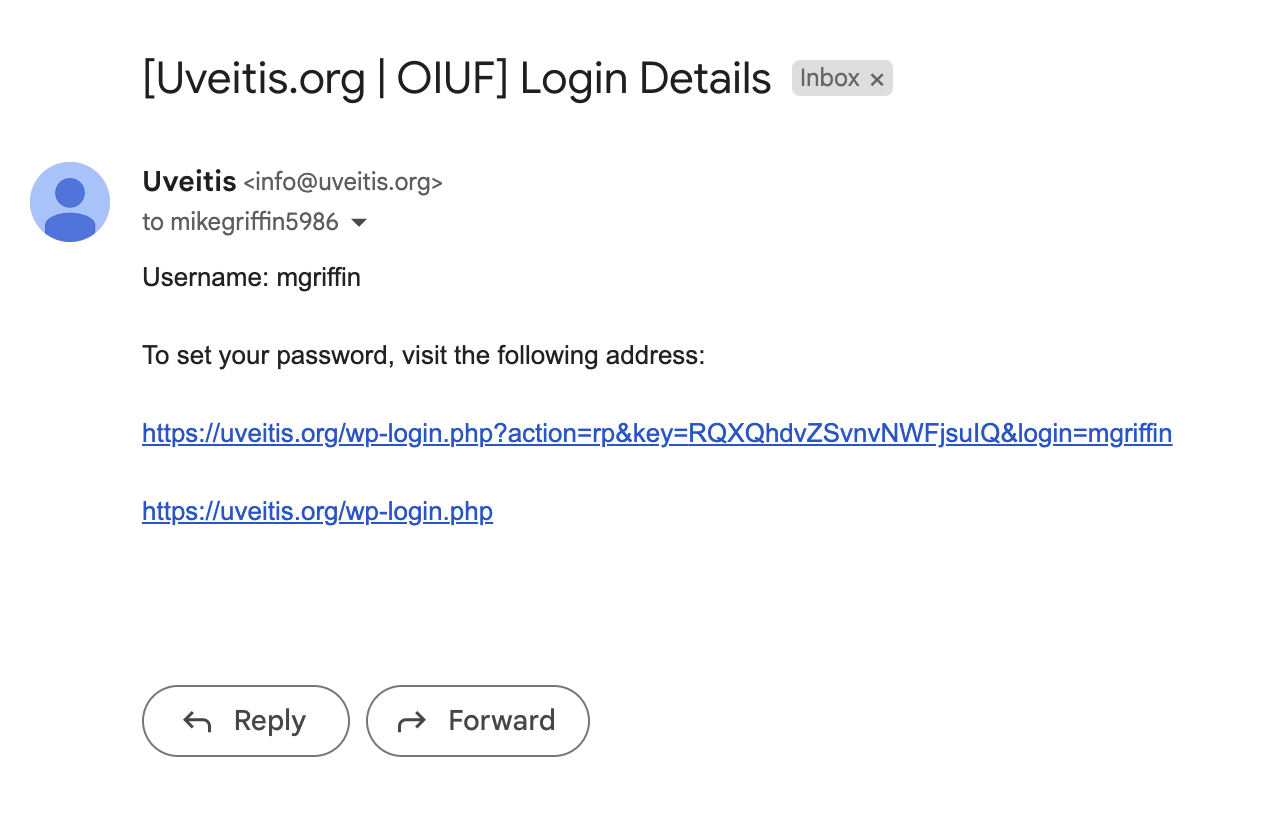
In the email you receive, click on the change password link.
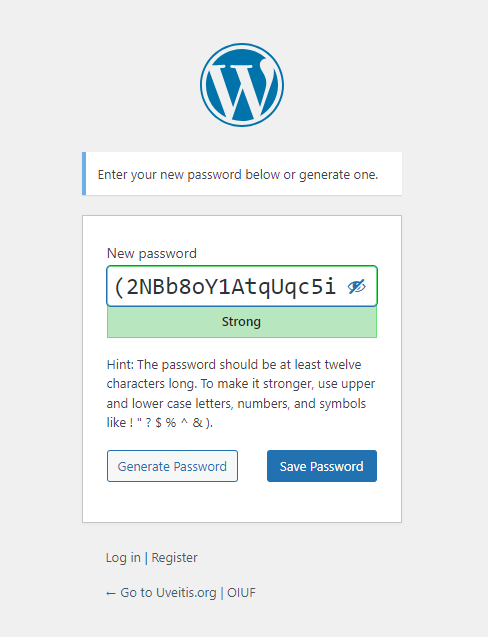
Change your password